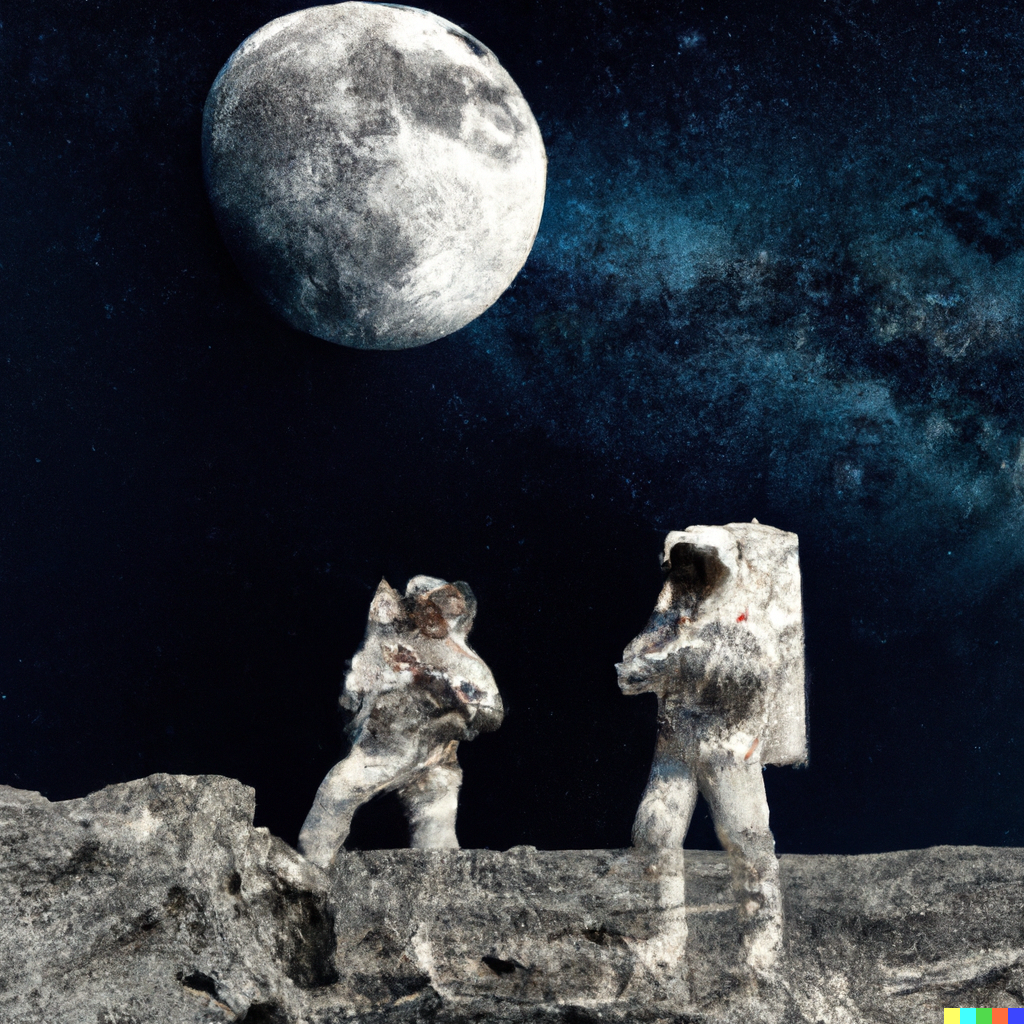
In a major announcement today, NASA revealed that they expect humans to live on the moon by the end of this decade. The plan, which has been in development for several years, is a major milestone in the history of space exploration and could have far-reaching implications for the future of humanity.
The plan involves establishing a permanent base on the lunar surface, which would serve as a hub for scientific research, commercial activities, and eventually, as a stepping stone for future missions to Mars and beyond. The base would be designed to accommodate up to four people at a time and would be equipped with all the necessary facilities to sustain human life, including living quarters, laboratories, and life support systems.
NASA has been working closely with several private companies to develop the technology and infrastructure needed to make this ambitious plan a reality. These partnerships have already resulted in several successful missions to the moon, including the recent Artemis I mission, which tested the capabilities of the agency’s new Space Launch System (SLS) rocket and Orion spacecraft.
The timeline for the project is aggressive, with NASA aiming to land the first crewed mission on the moon by 2024. This would be followed by a series of missions over the next several years, culminating in the establishment of a permanent lunar base by the end of the decade. The agency has already secured the necessary funding from Congress and is working closely with its international partners to ensure the success of the project.
The implications of this plan are enormous. Not only would it represent a major milestone in human space exploration, but it could also pave the way for future missions to Mars and beyond. The establishment of a permanent base on the moon would allow scientists to conduct in-depth research on the lunar surface, helping us to better understand the origins of our solar system and the universe as a whole.
The project is not without its challenges, however. The harsh lunar environment presents a number of logistical and technical obstacles that must be overcome, including radiation exposure, extreme temperatures, and the lack of a breathable atmosphere. But with the expertise and dedication of NASA and its partners, it seems that we are on the cusp of a new era of human space exploration, one that could have profound implications for the future of our species.
*Disclaimer: This article was written by ChatGPT, a language model trained by OpenAI. It may not be accurate or even factual and does not necessarily reflect the position of Supertab or its affiliates. This is a demo site and the content is used as a placeholder for you to learn how the backaway offering works.